
Skip to content
ChicagoTalks ChicagoTalks

Journalism and creative work from Chicago's next generation of storytellers

  • About us
  • Opinion
  • Feature
  • Arts and Culture
  • Submit Your Story
  • Wanderer
ChicagoTalks
ChicagoTalks

Journalism and creative work from Chicago's next generation of storytellers

Overwhelming Stigmas Face Juvenile Convicts, Activists Say

Chicago Talks, April 20, 2014
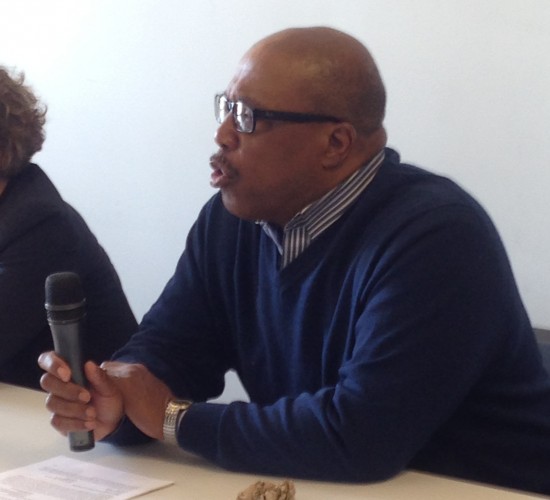
Anthony Lowery from the Safer Foundation discusses the stigmas that face young convicted felons.
Anthony Lowery from the Safer Foundation explains what life is like in Chicago for young felons on Thursday.

While Illinois has expanded the number of felony records that citizens can have sealed, there is still much work to be done for juveniles and young adults to be able to have a clean slate, activists said Thursday.

“Those criminal records haunt people for a lifetime,” explained Anthony Lowery from Chicago’s Safer Foundation. “People don’t realize that a drug conviction at 18 can mean not being able to get a job, even 20 or 30 years later.

“In my life, I’ve been blessed to be able to do a lot of things. I’ve even worked with Barack Obama before he was president,” Lowery said. “Still, when I go in for a job, the first thing people see is still a 20-year-old drug conviction. We need more ways for people, especially kids, to escape the stigma of having a conviction.”

Lowery spoke to students and journalists at Columbia College Chicago, 1104 S. Wabash Ave., during a workshop on violence and incarceration sponsored by the nonprofit group, Community Media Workshop.

Julie Biehl from Northwestern University School of Law’s Children and Family Justice Center further explained the impact of stigmas against felons, especially juvenile convicts.

“These children are much more than the things that they have done,” Biehl said. “People forget that.”

When asked what else could be done differently, Illinois Balanced and Restorative Justice executive director Sara Balgoyen explained the answers are in understanding.

“Instead of slapping offenders with lifelong criminal records, we could use restorative practices to build relationships with them,” Baloyen said. “If offenders truly understand how they negatively impacted a victim or their community, it helps them not to do those things again. “

Father David Kelly from Precious Blood Ministry of Reconciliation summarized it well when he said, “We have a system now where kids feel like outsiders in their own communities. Incarceration furthers that alienation. We need to reach out and make everyone, even people who made mistakes, feel welcome in our communities.”


Justice Barack ObamaBiehlColumbia College ChicagoFelonyIllinoisJulie Biehljuvenile justiceRestorative JusticeThursday

Post navigation

Previous post
Next post

Leave a Reply Cancel reply

Your email address will not be published. Required fields are marked *

Opinion

  • Chicago’s influential music scene doesn’t get the respect it deserves 
    by Zoey Hill-Hernandez
  • Lost in translation: ‘I would see everyone else writing while I just stared blankly at my paper’
    by Cynthia Alaniz
  • ‘It felt like something was gnawing at my heart’; Columbia student copes with illness of a lifetime
    by Morgan Bruner
Read More

Arts and Culture

  • 23 years later, Mazzy Star’s masterpiece album still casts a spell
    by Triniti Waxman
  • Queer Chicago designer finds niche dressing drag performers
    by Seng Xiong
  • From dorm room to mainstage, Phat Dragon built a comedy cult following 
    by Ava Simone Forster
  • Great Ideas of Humanity exhibit showcases famous quotes made visual 
    by Sh'Mara Chism
Read More

Feature

  • Hairstylist helps clients embrace their own beauty, rather than copy someone else’s 
  • Care for Real food pantry serves North Siders as need grows 
  • Cuddle Bunny: Where visitors can chill out with a furry friend 
Read More

Submit Your Story
  • Home
  • About us
  • Privacy Policy
  • Submit Your Story
Log in
©2026 ChicagoTalks | WordPress Theme by SuperbThemes