
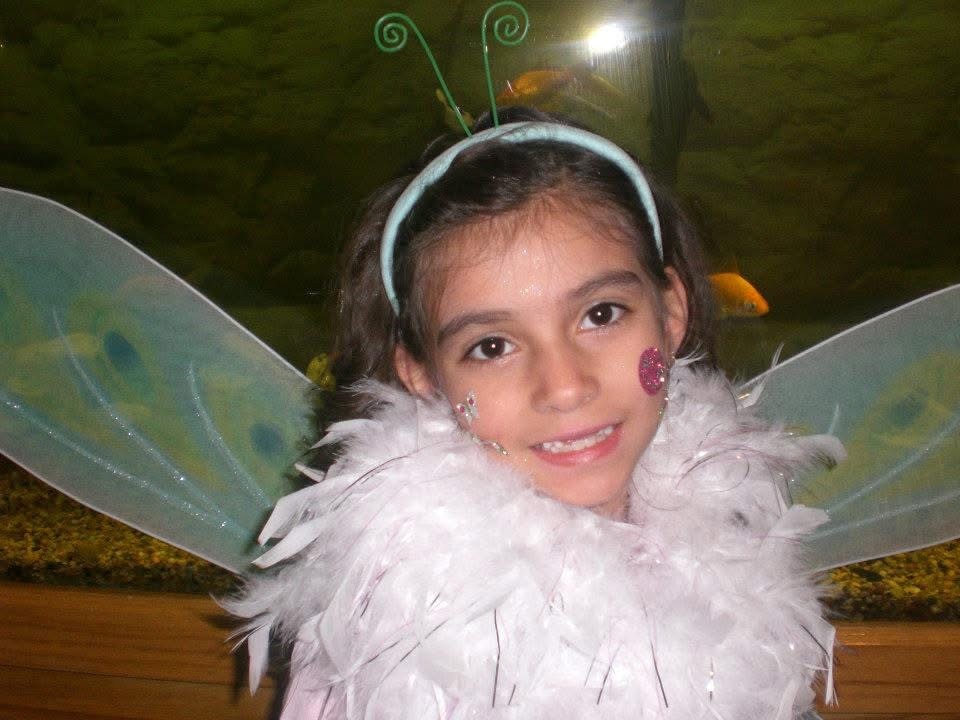
Around the age of three, I was enrolled in ballet classes. I don’t quite remember how this all started. I’m sure it was just one of those things I felt like I needed to be a part of. I wouldn’t say I was a spoiled child, but I was a crybaby. Growing up my mom would recount stories on how I would cause a scene whenever I didn’t get something I wanted inside of a store until I got my way.
Yes, I was one of those. Embarrassing, I know.
The ballet studio was right down the block from my grandparents’ house in Hermosa. Hermosa means beautiful in Spanish, and it indeed was. The neighborhood is on the northwest side of Chicago, and it’s filled with a rich culture that shines light on the Latino community. In the summer, you see eloteros on the corners and people selling tamales or tacos.
When I got dressed to go to ballet, my dad would slick my hair into a bun while I stood on my grandparents’ couch, dressed in all pink. The short walks down the block to the ballet studio and back were filled with joy.
That was the house my dad grew up in. He’s the oldest of five, with my three uncles and aunt following him. My parents met and got together when my dad was 18 and my mom was 20. She was close to all of my uncles and my aunt along with my grandparents; they loved her. She moved in with my dad’s family once she got pregnant with me at 21.
When my younger brother was born, we moved to Lansing, a suburb south of Chicago. I don’t recall too much from this house because I had trouble adjusting. We all did. It didn’t have a personality. It was just the four of us.
I started pre-k and was forced to learn English because the school in my neighborhood didn’t offer bilingual classes. Spanish was my first and the only language I knew at that point.
We would only go back to my grandparents’ house during the weekends when my parents were free to make the drive and had the extra money for gas. I vividly remember summer 2009. My grandpa would constantly take my cousin, who was older than me by six months, and me to the corner store at the end of the block anytime we wanted snacks. The chips at the time were two for a dollar, and my grandpa would wear a white tank top that would leave his belly poking out at the bottom. We would usually finish the bag of chips on our walk back to our grandparents’ house. My grandparents’ house had a family feel to it. Nothing can ever compare.
My grandpa passed on December 8, 2009. Christmas that year changed everything. We sat around and shared memories we all had about one another. This meant more than any gift did, even though the best gift would have been him still physically being there.
On New Year’s Eve, we all gathered, waiting for the clock to hit 12. My grandma’s birthday is January first. She’s a five-foot tall, thin, pale woman. Her physique reminds me of the word fragile, but she’s the opposite of that. However, we all knew my grandpa’s death affected her the most. She lost her best friend, the father of her kids and her husband.
A couple years later, our family really started growing, but everyone still managed to get closer. We would all still gather at my grandparents’ house for family dinners where half of us would eat at the dining room table and the other half would sit and wait their turn in the living room.
In 2013, the house in Hermosa was put up for sale. My grandma could no longer keep up with it. She joined my family and my uncle in a house she owned in the Austin neighborhood.
Austin was more diverse; we were surrounded with Latinos and African Americans. We would have cookouts at this house, still inviting the rest of our family and our neighbors. This neighborhood was filled with violence. My parents wanted us to leave Austin as soon as they were stable enough. I missed being able to carelessly walk to the corner store with my grandpa to buy the two-for-a-dollar bag of chips.
After a lot of hard work, my parents were able to buy a house of their own in a suburb west of Chicago. Our house is blue, and we have the whole space to ourselves. None of us has to share rooms like we did in the previous houses. The neighborhood is quiet.
We began distancing ourselves from the rest of our family, not on purpose, but life led to this. Now that I’m older, I feel guilty saying this because younger me would love walking a couple steps to my grandma and asking for some juice. To this day, we all still invite each other to our houses. It all felt more comforting though, when you were just able to look within the house to see everyone, like in Hermosa.
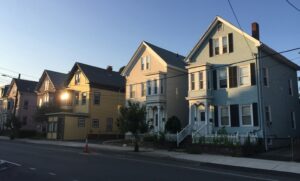
Sometimes I drive past the house I once knew. I say once knew, because it’s no longer the same. It’s filled with a different family and is modernized and remodeled. I have clung to the memories that house has brought us. That house was the definition of family to me. For a long time, I thought family had to always be gathered together to be considered family, to be able to feel the love. I didn’t comprehend that the love was still there even when we didn’t see each other every day. The house changed in appearance, but those memories didn’t; they’re still engraved in me, in us as a family.
That describes the beautiful way of life. La hermosa forma de la vida.
This essay is one in a series of Columbia College students’ reflections on how class and race put a mark on where they grew up. They answered these questions: What should people know about the place where I grew up in? What are the stories I tell about my life there?



Be First to Comment